
Renaming is reclaiming.
Rebuilding. Reconnecting.
Our Process
From the ground up.
Timeline, 2020
July 24-Aug 31
Community learns about parks and suggest names.
September
Name suggestions close. Scoring opens.
October
Scoring closes. Final names announced.
The Port of Seattle and Seattle Parks Foundation recognizes that our work operates on the ancestral lands and waters of the Coast Salish peoples, and that these communities continue today in their contributions across King County to our culture, our environment, and our economy. As we start this project of re-connecting with these river shoreline areas, we encourage keeping these communities’ legacies and values in mind. Together, we can use this project to strengthen our commitments to the environment and the people of the Duwamish River valley.
Why
The Incredible Parks Want Incredible Names project aims to empower community members most connected to the Port’s river shoreline parks to engage in the decision making to re-name them.
For years, community members have encouraged the Port to consider re-naming its parks along the Duwamish River to better reflect the cultural and environmental importance of each site.
By re-naming these Port-owned parks, we are collectively re-connecting to the Duwamish River, its precious shoreline habitat restoration efforts, and the community’s stories about the historical, cultural, and environmental importance of each park. The project strives to strengthen existing and create new partnerships between the Port and the community to ensure the long-term stewardship of these sites and the sharing of their stories for years to come.
What
Through a unique partnership with the Seattle Parks Foundation, the Port of Seattle is re-naming six Port-owned public parks along the Duwamish River. These shoreline river parks, located as far north as Harbor Island to as far south as Tukwila, are currently named after previous industrial or geographic markers like “Terminal 105 Park” or “8th Ave South-street end Park.”
The Port is committed to an inclusive community engagement process to re-name these six parks that share neighborhoods with families, workers, businesses, and wildlife alongside the Duwamish River.
How
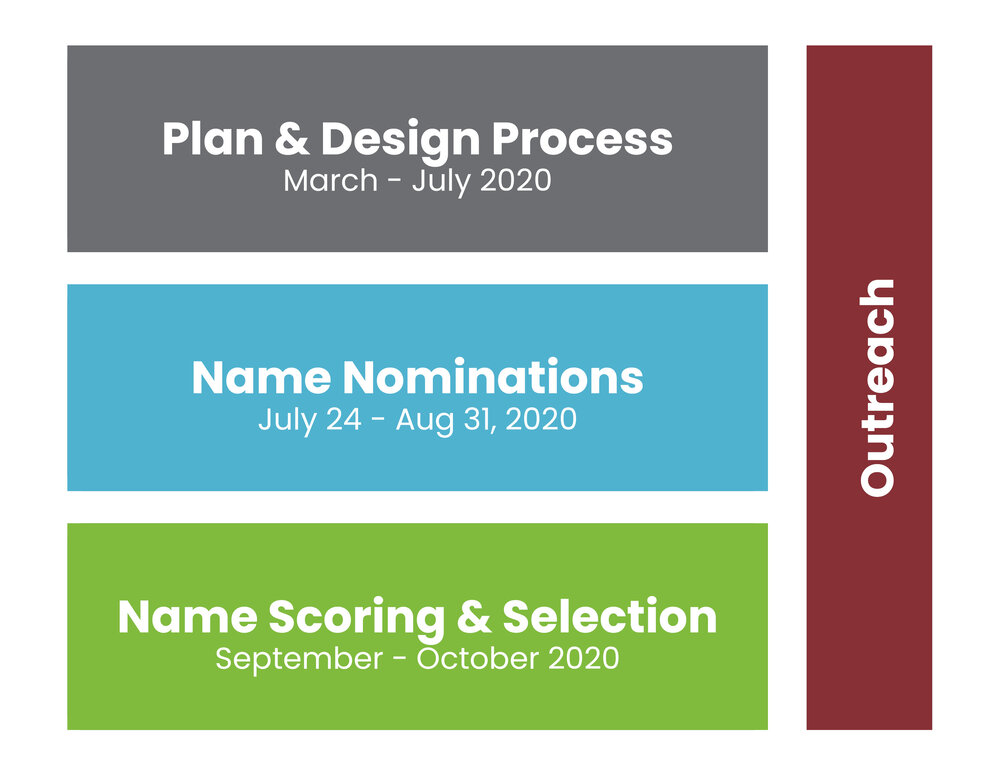
Plan & Design Phase
Throughout Spring 2020, staff established baseline equity principles and best practices to inform the project, including:
Development of racial equity best practices throughout the project
Stakeholder mapping and dis-aggregated census tract data to identify potential park stakeholders
Early consultation with leaders from key community-based organizations, Indigenous leadership, and coordination with Port leadership
Active inclusion of Communities of Color histories and experiences related to each park
Accessible communications strategy to accommodate access needs for multilingual and multi-generational park users
Convening Stakeholder Review Committee members to review the draft name selection process, nomination eligibility criteria, outreach plans, decision-making strategies and other project processes
Name Nominations Phase
In Summer 2020, we will launch our project to collect the community’s nominations for new names:
Due to COVID 19, most engagement will be virtual, utilizing radio and social media with limited field activities.
Multilingual flyers and banners will be posted at each park sharing information on how to get involved.
Nominations in any language are accepted online, by email, text, or voice recording.
The Stakeholder Review Committee will evaluate and score all eligible park name nominations to determine finalists. The top three name nominations per park will be announced as finalists and set up for a public scoring period.
Name Scoring & Selection Phase
From September 15-30, the public will score the name finalists per park. The public’s scoring results will act as the equivalent of three Stakeholder Review Committee member’s scores during a final meeting of the Stakeholder Review Committee to score finalists. The scoring by the public, and scoring the Stakeholder Review Committee members, will combine to determine one name selection per park. New names will be announced in at least one public ceremony in the fall.
Final names will be announced at the virtual Port of Seattle Commission Meeting on Tuesday, October 27. Follow the Port of Seattle Facebook Page to stay in the loop!
Below diagram visually explains this 3 public delegate, 8 committee delegate system:

Who
The Stakeholder Review Committee consists of eight stakeholders representing the backgrounds and expertise of a broad range of Port-park users: workers, environmental stewards, historians, Tribal and cultural heritage experts, youth, and neighboring community leaders. This Stakeholder Review Committee supports equitable decision making in the name nomination and selection process. Committee meetings blend group discussion with confidential scoring practices to ensure fair and free participation.
Stakeholder Review Committee Members
Magdalena Angel-Cano
Magdalena has been living in the South Park community for 20 years and works at the Duwamish River Cleanup Coalition managing community engagement and communications. Magdalena graduated from the Department of Gender, Women and Sexuality Studies at the University of Washington with studies in Diversity. Magdalena's interests lie in community participation and in providing opportunities to those in her community who historically have not had equal access to resources. Magdalena's family comes from a small town in Michoacán and her family belongs to the Purépechas Indigenous community.
Rosario-Maria Medina
Rosario-Maria Medina “Chayo” is a volunteer in the Duwamish Valley, she has co-coordinated Dia de Muertos en South Park for the past few years with Kalpulli Tlaloktehkuhtli. Chayo was a founding member for the Duwamish Valley Affordable Housing Coalition and has coordinated many events specifically for the Duwamish Valley that focus on culture and history. Chayo lives in Georgetown and her family has resided in the Duwamish Valley since the 1950s. The health and well-being of those in the Duwamish Valley are a high priority. Chayo is on the legal committee for Puget Sound Keepers Alliance, a member of the Duwamish Valley Safe Streets, participates on the Gateway Park North River Access project and leads flooding outreach for the Georgetown Open Space Committee. She serves as a board member for the Friends of Georgetown History (FoGHI) which coordinates the Annual Haunted History Tour and serves as a community hub for Georgetown. Chayo is also a board member and secretary for Villa Comunitaria which provides the best resources and information for the Latinx community. She also owns Chayo Consulting LLC. She hopes for true equity and sustainability for all communities.

Warren KingGeorge
Chosen Delegate of the Muckleshoot Tribe
Historian at Muckleshoot Indian Tribe
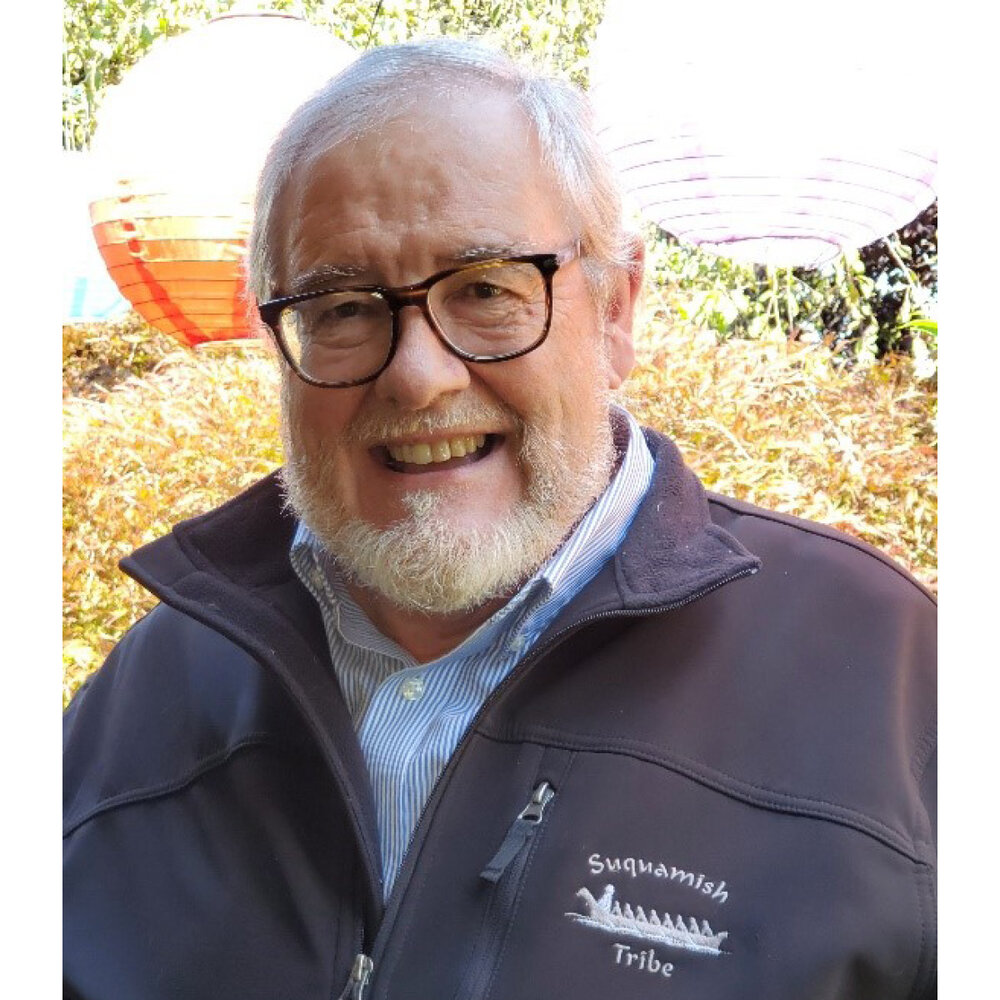
Dennis Lewarch
Dennis is the Tribal Historic Preservation Officer for the Suquamish Tribe of the Port Madison Indian Reservation and manages the Archaeology and Historic Preservation Program. An archaeologist with over 45 years professional experience, Dennis has worked on cultural resource projects in the Duwamish River drainage since 1977. In 1986, he helped lead a team of archaeologists to conduct excavations at the Duwamish No. 1 Site in the Port of Seattle Terminal 107 property and he participated in subsequent cultural investigations in the Terminal 107 vicinity. Dennis undertakes research to document the culture and history of the Suquamish People throughout their ancestral territory in Western Washington, including villages, camps, spiritual sites, and fishing areas in Seattle and on the Duwamish River.
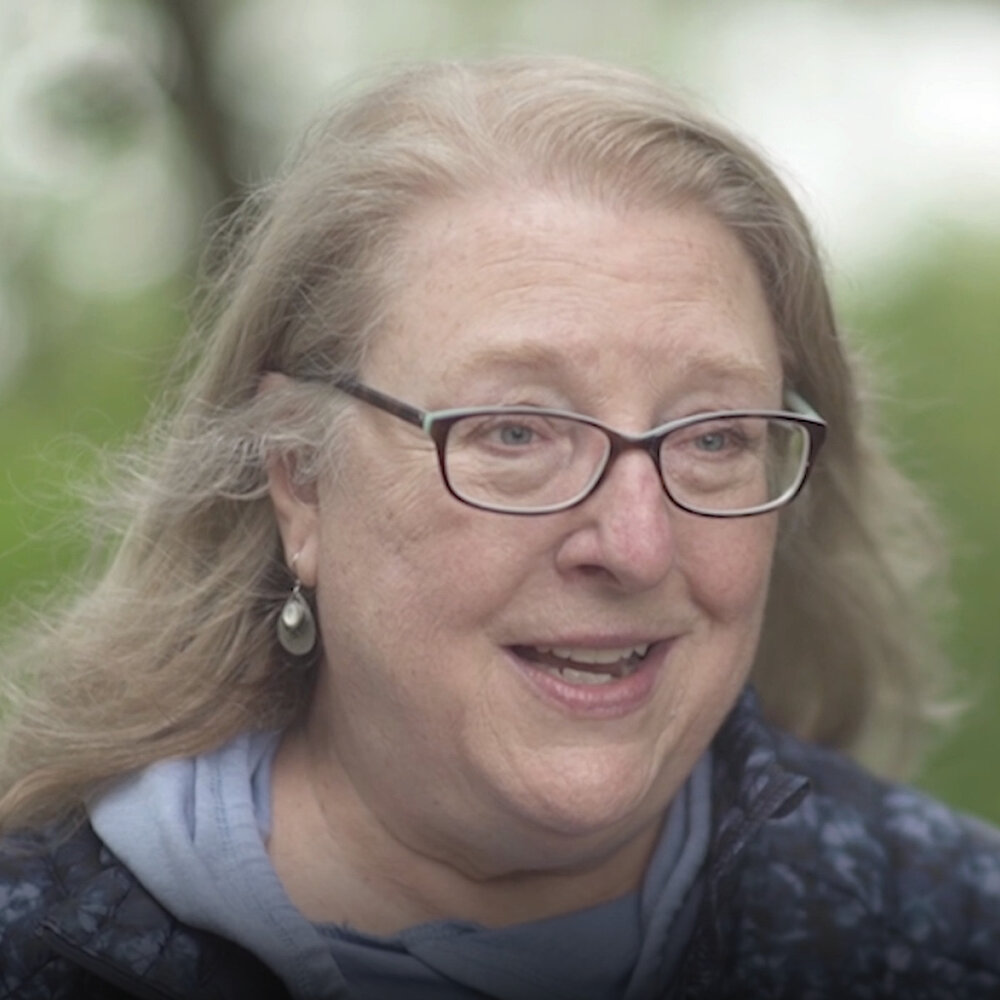
Sharon Leishman
Sharon Leishman, Manager of Duwamish Alive Coalition, grew up in the Seattle area, graduating from both the University of Washington and Seattle University. Her first connection with the river was at a People for Puget Sound work party at North Wind's Weir in 2007, planting native shrubs. From that experience she joined the Puget Sound Stewards program, stewarding restoration sites along the river including Turning Basin, and then becoming the manager for the Duwamish Alive Coalition, a coalition of nonprofits, municipalities, agencies and tribes working together to improve the health of the Duwamish watershed.
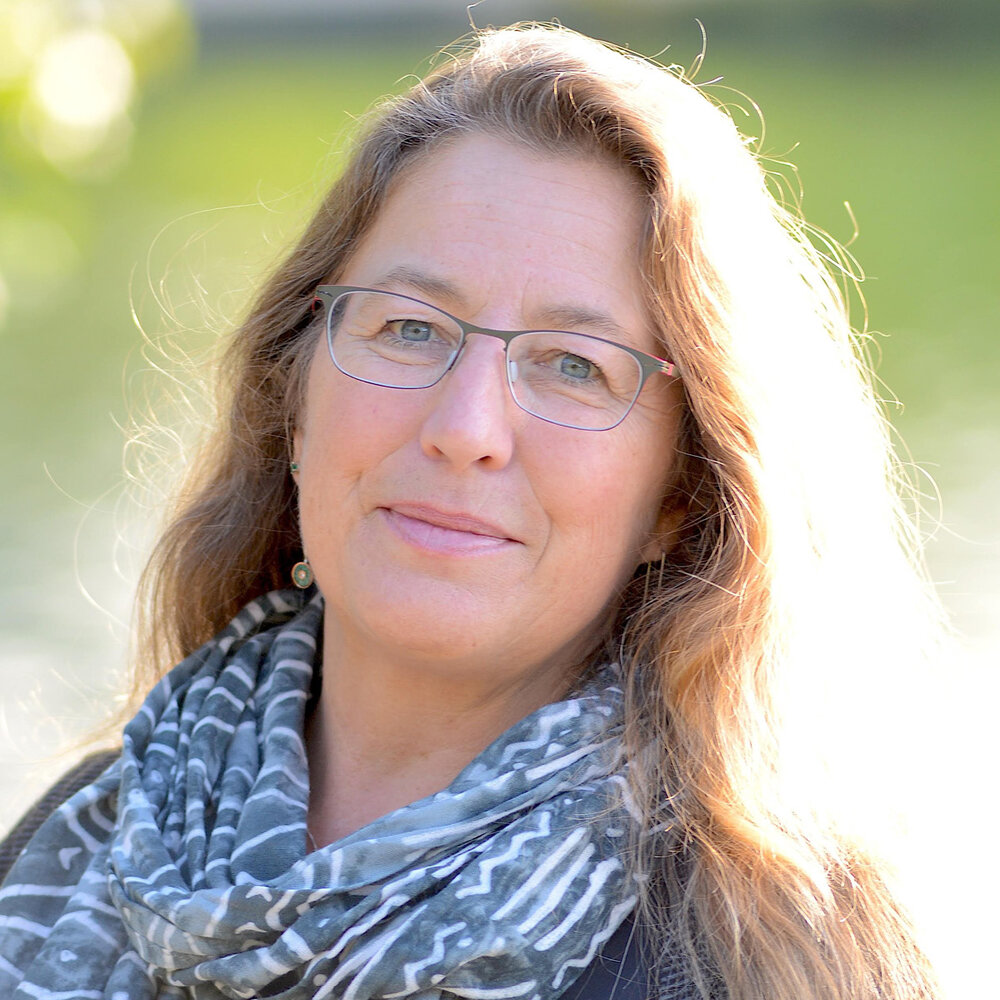
BJ Cummings
BJ Cummings founded the Duwamish River Cleanup Coalition in 2001, and currently manages community engagement for the University of Washington's Superfund Research Program. She is author of The River That Made Seattle: A Natural and Human History of the Duwamish, and has been awarded the River Network’s national River Hero award for her work leading community-based clean up and restoration of the Duwamish River.
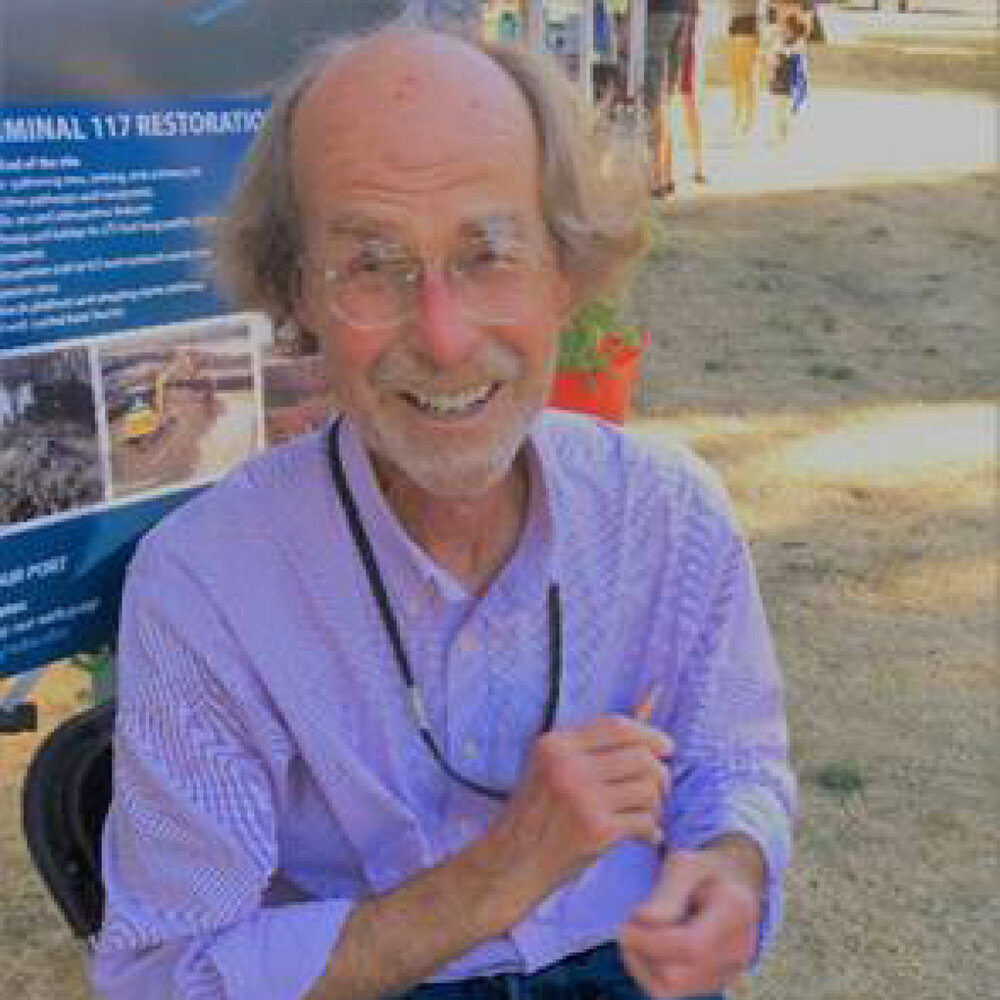
George Blomberg
George works as a Sr. Environmental Program Manager in the Maritime Environment and Sustainability Department at the Port of Seattle, with a career spanning 35 years. George works on large-scale marine industrial redevelopment, cargo facilities operations, and the fun thing about it is, those large-scale Port capital projects often involve public shoreline access and fish and wildlife habitat improvements, which are his favorite part of the job. At the 12th Annual Duwamish River Festival in 2018, the Duwamish River Cleanup Coalition launched an award for government employees who have gone above and beyond the call of duty to clean up and restore the Duwamish River. The new award, the Blomberg Cargill Award, is named after George and his colleague Dan Cargill of the Washington State Dept. of Ecology. George enjoys working with adult and youth volunteer Duwamish River Stewards to improve shoreline access sites and care for restored habitat areas.
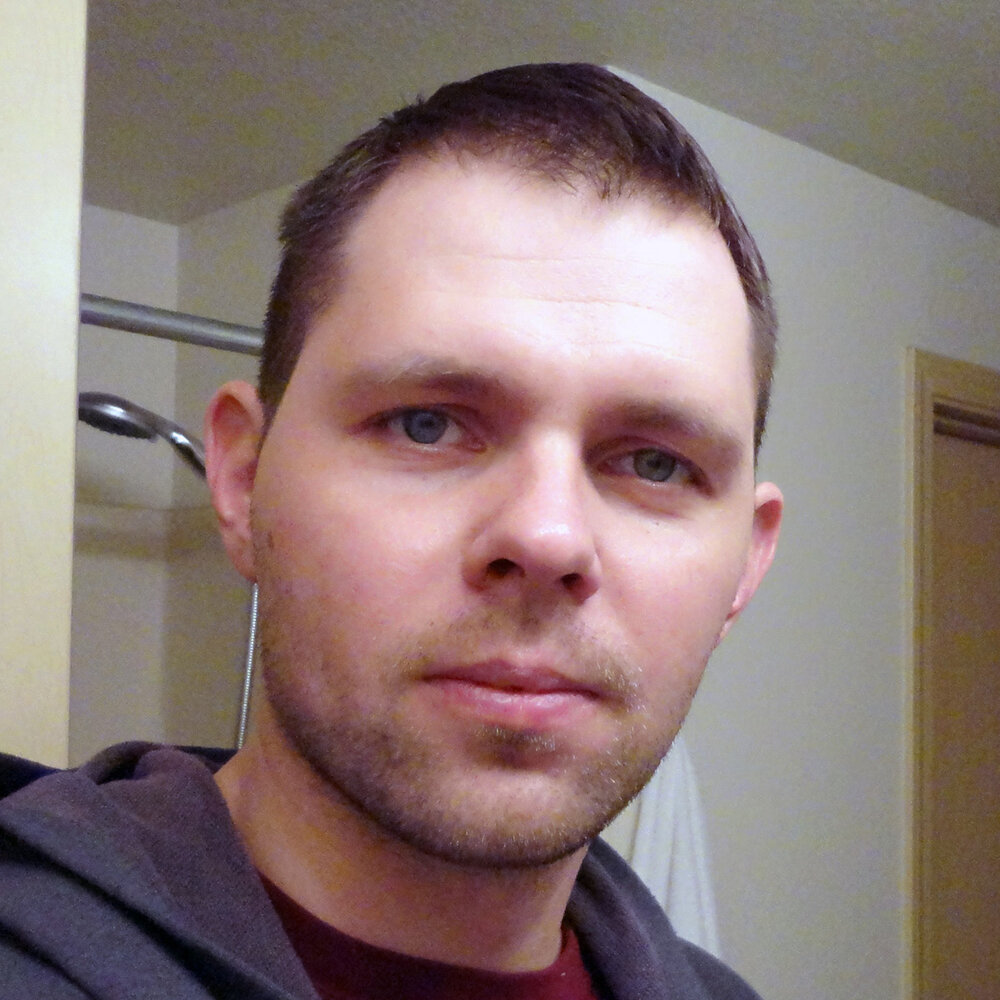
Al Grant
Al manages waterfront parks, shoreline public access sites and trails for the Port of Seattle. The Port owns multiple parks on the lower Duwamish River and Elliott Bay. Al’s career with the Port began in the summer of 2001 as a college intern at the Marine Maintenance department. Over the years Al’s responsibilities increased from developing permit sets and as-builts to managing small projects and now the parks. He oversees park maintenance activities, rental agreements and the budget. On his free time, Al likes to spend time with his family, play chess, camp and drag race. He and his wife recently welcomed son Liam.
Staff Support
Seattle Parks Foundation | George Lee, George Lee Studio, Founder & Creative Director
Seattle Parks Foundation | Michelle Benetua, Community Partnerships & Planning Manager
Port of Seattle | Christina Billingsley, Senior Program Manager, Environmental Engagement
Port of Seattle | Mary Jean Stephens, Events & Engagement Manager
Port of Seattle | Wendy Kawakami, Capital Project Communications Specialist
Lushootseed Support
Nancy Jo Bob, Lummi/Duwamish, Lushootseed Revitalization for nearly 20 years with Tami Hohn. Including work on the Burke Museum Waterlines Map.
Warren KingGeorge, Muckleshoot Tribe, Historian at Muckleshoot Indian Tribe
Dennis Lewarch, Tribal Historic Preservation Officer for the Suquamish Tribe
Park Profile Information Sharing
Project staff compiled the park profiles on this website using a combination of literature reviews, archival information, and interviews with key river stakeholders. The information presented on this site is not exhaustive and does not fully represent the multiple uses and histories about each park site. You are encouraged to dig deeper into these places and their stories! Check out the Sources section of each profile to learn more.