
Featured


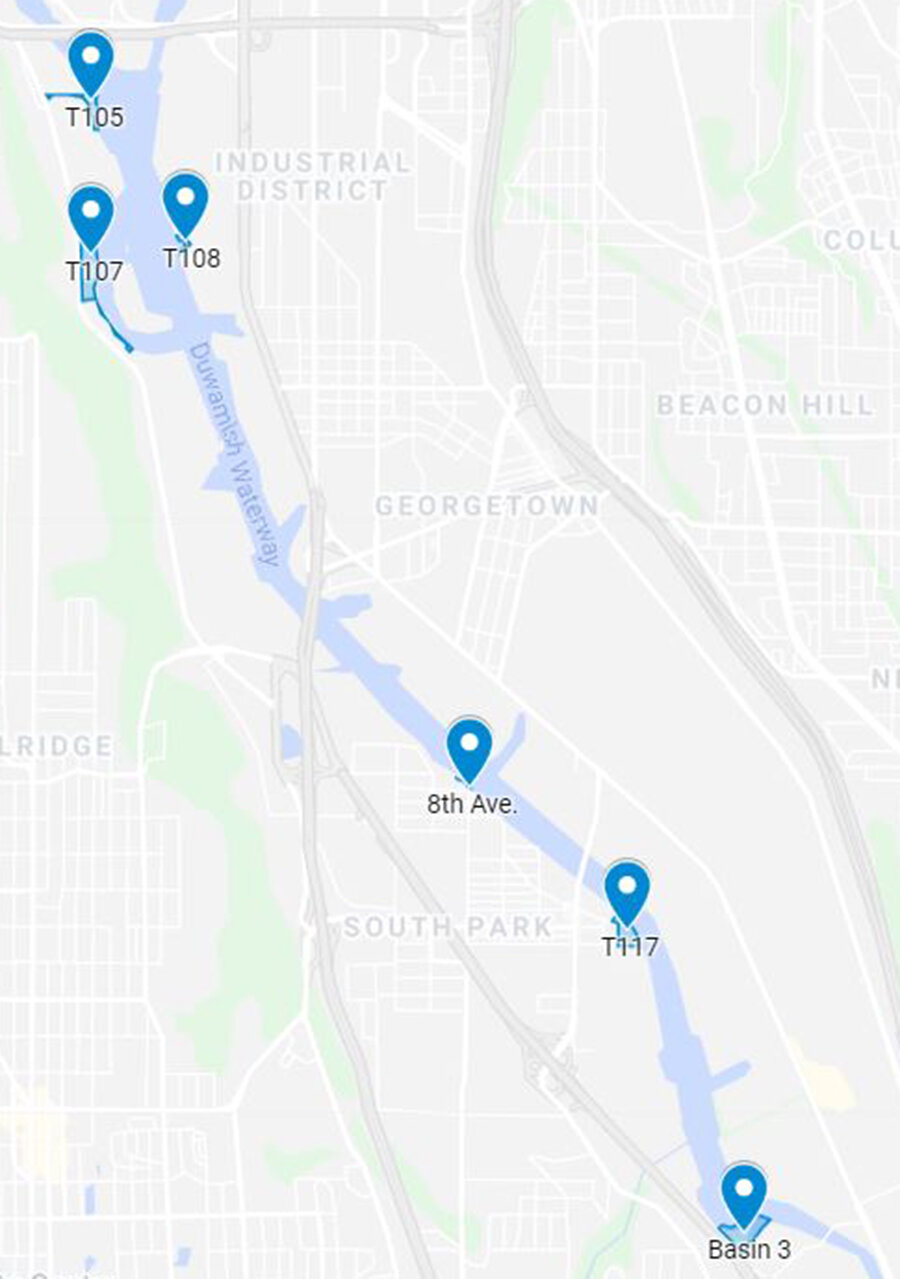
Next time you’re traveling on 99/E Marginal Way just south of the West Seattle Bridge, take a few minutes to explore beautiful riverfront Terminal 108 Park/Diagonal Park. Just a few hundred feet from SR-99 leads you to one of the best, expansive views of the Duwamish River where you can see barges, blue herons and even seals if the tides are right.
Terminal 117 Park is an ongoing story of the Duwamish Valley community and the Port of Seattle’s long journey from cleanup of an old Superfund site to a 14-acre public park and shoreline habitat along the Duwamish River, to be completed in the Fall 2021.
The site of a former swing bridge that connected South Park and Georgetown is now a favorite lunch spot for local workers and residents. From this site, you can watch industrial maritime vessels like barges and tugboats float by, as well as observe waterfowl, and other wildlife. Tribal fishers exercise their Treaty rights nearby and harvest adult returning salmon in this area along the river.
A bit off the beaten path, Turning Basin #3 is an oasis for migratory wildlife and fish. Beavers, river otters, ospreys, great blue herons, and even the occasional Bald Eagle — all can be viewed here. In the spring, migrating juvenile salmon from all five salmon species that live in the river’s watershed, including the critical Chinook salmon that orca depend upon, use this restored tidal marsh and sand-flat area to rest, shelter and feed on their way to the Puget Sound.
Terminal 107 Park (also known as T-107 Park) is an important archaeological, cultural and ecological site that sits on the shores of one of the last remaining original bends of the Duwamish River. Located just off West Marginal Way across from the Duwamish Longhouse and Cultural Center, the park offers over seven acres of native landscape park area along a vibrant river shoreline that volunteers continue restoring to this day.
Turning off West Marginal Way SW just south of the West Seattle Bridge, you can enter into this hidden gem park offering a fishing pier, picnic areas, water access, and a robust shoreline habitat area thanks to over ten years of volunteers who have worked to restore this small but mighty resting ground for migrating wildlife.